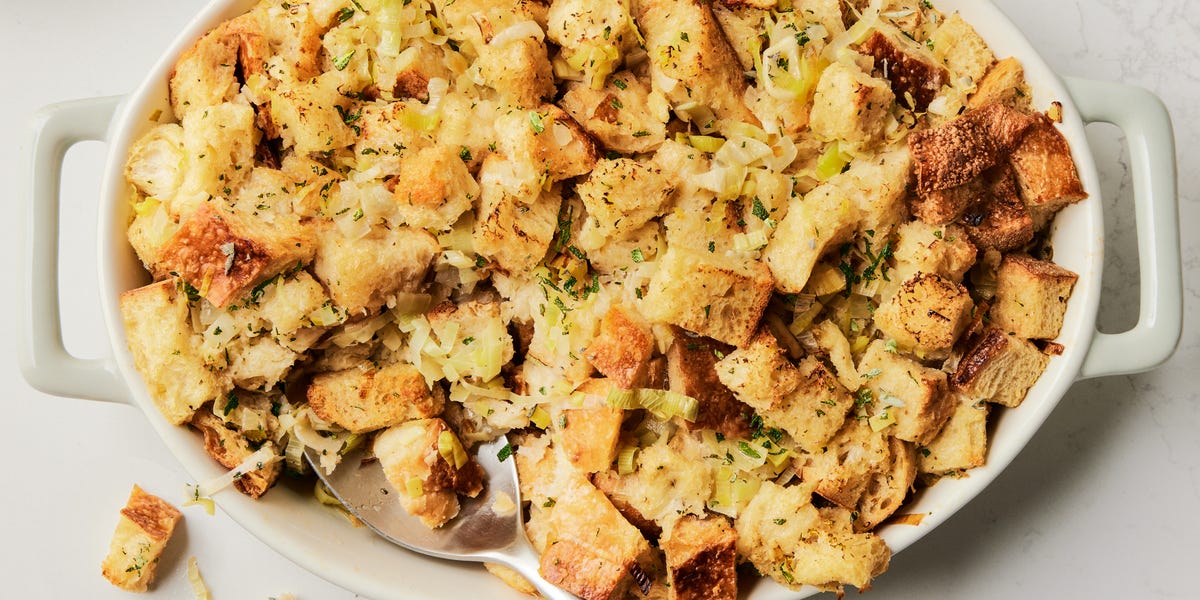
Unlocking the Secret to Perfect Stuffing: Crispy Edges, Never Soggy
Few dishes evoke the warmth and comfort of a holiday gathering quite like a perfectly crafted stuffing. It's the quintessential side that transforms a meal into a feast, celebrated for its rich, savory flavors and comforting texture. Yet, the quest for the ultimate stuffing often comes with a common dilemma: how do you achieve those coveted crispy, golden edges without succumbing to a soggy, dense interior? The good news is, mastering this beloved
easy homemade stuffing recipe is entirely within reach, and it starts with understanding a few fundamental principles.
Forget the days of heavy, unappetizing bread pudding. This guide will walk you through the essential tips and tricks to create a stuffing recipe that boasts a delightful contrast of textures – a truly satisfying experience that will earn you rave reviews year after year. From preparing your bread base to infusing robust flavors and employing smart baking techniques, get ready to elevate your holiday table with a stuffing that’s anything but ordinary.
The Foundation of Flavor: Mastering Your Bread Base
The heart and soul of any great stuffing recipe lies in its bread. This isn't just filler; it's the structural backbone that absorbs all those wonderful flavors and determines the final texture. The single most crucial step in preventing soggy stuffing and achieving those delectable crispy edges is ensuring your bread is *properly dry*.
Think of dry bread as a culinary sponge. When it's sufficiently dehydrated, it's primed to soak up all the savory broth, melted butter, and aromatic essences without turning to mush. If your bread starts out moist, it simply can't absorb much more liquid, leading directly to a dense, wet outcome.
* **Choose Your Bread Wisely:** While *any* dry bread works, experimenting can lead to delightful variations. A mix of white and wheat bread offers a balanced flavor and texture. Sourdough lends a tangy complexity, while cornbread provides a sweet, crumbly contrast. Stale challah or brioche can add a rich, buttery depth. The key is to tear or cut it into roughly 1-inch cubes for consistent drying and even cooking.
* **The Art of Drying:**
* **Air Drying (The Gold Standard):** If time permits, this is the preferred method. Simply tear your bread into cubes and spread them out in a single layer on a baking sheet or clean counter for 2-3 days. This allows moisture to evaporate naturally, creating perfectly dry, firm cubes.
* **Oven Drying (The Quick Fix):** In a pinch, the oven comes to the rescue. Spread your bread cubes in a single layer on a baking sheet and bake at 300°F (150°C) for about 10-15 minutes, tossing once. The goal is to dry them out, not to toast or brown them, so keep a close eye. They should feel light and firm to the touch.
* **Store-Bought Dried Cubes:** These are convenient, but be mindful. If they're pre-seasoned, you might need to adjust the salt and herb quantities in your recipe. Also, they tend to be very dry, so you might need a little extra broth to achieve the desired moisture level.
Pro Tip: To test if your bread is dry enough, squeeze a piece. It should feel firm, not squishy, and break easily rather than compress.
Building Layers of Deliciousness: Aromatics, Herbs & Broth
With your perfect bread base ready, it's time to infuse your stuffing with irresistible flavor. This is where simple, quality ingredients truly shine, turning a basic bread mixture into a holiday showstopper.
* **Aromatic Essentials:** The classic duo of *celery and onions* forms the foundational flavor profile for most stuffing recipes. Sautéing them in plenty of butter until tender and translucent (not browned!) is crucial. This step softens their texture, mellows their pungency, and releases their sweet, savory aromas, setting the stage for the rest of your ingredients. The butter not only aids in cooking but also adds richness that permeates every bite.
* **The Herb Harmony:** For that quintessential "holiday stuffing" taste, *poultry seasoning* is your best friend. This blend typically includes sage, thyme, rosemary, and marjoram, delivering a warm, earthy, and aromatic bouquet. Sage, in particular, is a hallmark of traditional stuffing, offering a distinct savory note. If you don't have poultry seasoning, a generous amount of ground sage can be a fantastic substitute. Don't forget a good pinch of salt and freshly ground black pepper to enhance all the flavors. For an extra touch of warmth, consider a tiny dash of nutmeg or a hint of smoked paprika.
* **Broth for Moisture & Depth:** *Chicken or turkey broth* is essential for moistening the dry bread and infusing it with deeper savory notes. The exact amount of broth needed will vary significantly based on your bread type and how dry it is. It's always best to add broth gradually, mixing well, until the bread cubes are moist but not swimming. You want them to be hydrated and plump, not soggy. The goal is a mixture that clumps together when squeezed but isn't dripping wet.
* **Personalizing with Additions:** This is where you can truly make the
easy homemade stuffing recipe your own!
* **Sweetness & Tang:** Dried cranberries or golden raisins add bursts of tart or sweet flavor.
* **Umami & Richness:** Cooked sausage (breakfast sausage, Italian sausage, or even chorizo) brings savory depth and a delightful texture. Sautéed mushrooms offer an earthy, umami kick.
* **Vegetable Boost:** Shredded carrots, diced apples, or chopped chestnuts can introduce new layers of flavor and texture.
*
Tip: Always pre-cook any meat additions to ensure food safety and even cooking.
Baking Brilliance: Achieving Those Crispy Edges
Now for the grand finale: transforming your seasoned bread mixture into a golden-edged masterpiece. The baking method plays a pivotal role in achieving that coveted contrast between a buttery, moist interior and wonderfully crispy edges.
* **The Casserole Dish Advantage (Dressing):**
When you bake stuffing in a casserole dish, it's technically called "dressing" because it's cooked *outside* the bird. This method is unequivocally the best way to get those crispy, golden edges. By spreading the mixture in a baking dish, you maximize the surface area exposed to direct heat, allowing the edges to brown and crisp up beautifully while the center remains moist and tender.
* **Optimal Conditions:**
* **Don't Overcrowd:** Use a dish large enough that the stuffing isn't packed too tightly. A slightly looser texture allows steam to escape and edges to crisp.
* **Cover, Then Uncover:** Start by baking the stuffing covered with foil for part of the cooking time (e.g., 20-30 minutes). This steams the interior, ensuring it’s uniformly moist. Then, remove the foil and continue baking uncovered for the remaining time (e.g., another 20-30 minutes), allowing the top and edges to turn golden brown and crispy.
* **Butter Dots:** For extra richness and crispiness, dot the top of the stuffing with small cubes of butter before baking, especially before the uncovered stage.
* **Baking Temperature:** A moderate oven temperature, typically around 375°F (190°C), works well to cook through evenly without burning the edges too quickly.
* **Stuffing a Turkey (with caution):**
While traditional, cooking stuffing inside the turkey makes it challenging to achieve crispy edges, as it steams within the bird. If you choose this method, prioritize food safety:
* Ensure the stuffing has cooled completely in the fridge for at least 45 minutes before stuffing.
* Stuff the turkey just before roasting, never ahead of time.
* The center of the stuffing must reach a safe internal temperature of 165°F (74°C). Use a meat thermometer to verify.
*
Our Recommendation: For the best of both worlds, bake your main batch of stuffing in a casserole dish for maximum crispiness and make a smaller portion to stuff the turkey, if tradition calls for it.
Smart Prep: Make-Ahead & Reheating Tips
Holiday meals are stressful enough without last-minute scrambling. Fortunately, stuffing is an incredibly forgiving dish that lends itself beautifully to make-ahead preparation.
* **Prepare Ahead:** You can assemble your entire stuffing mixture, right up to the point of baking, and store it covered in a casserole dish in the refrigerator for up to two days. When ready to bake, remove it from the fridge at least 30 minutes beforehand to allow it to come closer to room temperature. You may need to add an extra 5-10 minutes to the baking time.
* **Freezing for Future Feasts:** Leftover stuffing (or even a full unbaked batch!) freezes exceptionally well for up to four months. Thaw it overnight in the fridge or gently in the microwave before reheating.
* **Reheating for Crispiness:** To bring back those wonderful crispy edges on leftovers, avoid the microwave if possible. Reheat thawed stuffing in a casserole dish in a preheated oven (around 350°F / 175°C) for 15-20 minutes, or until heated through and the top is re-crisped.
* **Crock Pot Option:** While it won't yield crispy edges, cooking stuffing in a Crock Pot is an excellent option for a moist, tender result and frees up oven space. This is a great alternative for those who prefer a softer texture throughout.
For more detailed make-ahead strategies and alternative cooking methods, be sure to check out our
Make-Ahead Stuffing Recipe: Bake, Freeze, & Crock Pot Options.
Your Crispy, Flavorful Stuffing Awaits!
Achieving perfect stuffing with irresistible crispy edges and a moist, never-soggy interior is less about magic and more about mastering a few key techniques. By prioritizing dry bread, building robust flavors with quality aromatics and herbs, and employing smart baking methods like the casserole dish, you can elevate this beloved holiday side to new culinary heights. This year, delight your family and friends with a stuffing recipe that’s sure to be the star alongside the main course – a testament to thoughtful preparation and a passion for delicious, comforting food. Happy cooking!